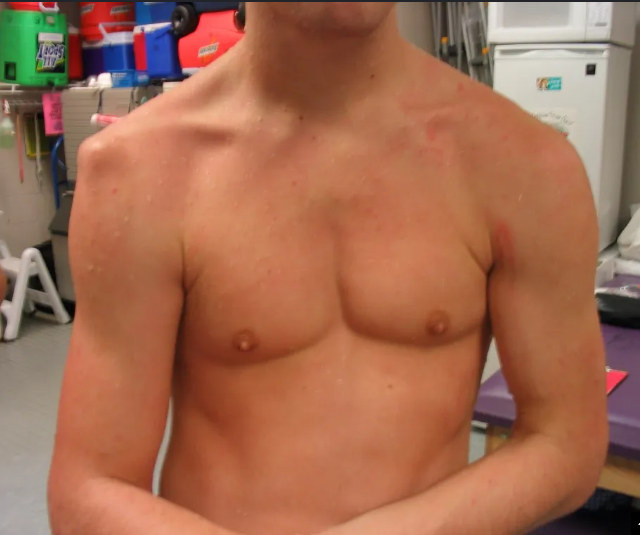
An injury during sports, a fall, or an accident can push a joint out of its normal position — this is called a dislocation. It can happen to any joint in the body — the shoulder, a finger, the knee, or the elbow — and it is considered a medical emergency.
Symptoms of a Dislocation
- A visible change in the shape of the joint — appearing bent or out of its normal position
- Severe pain that intensifies even with slight movement
- Complete inability to move the affected joint
- Rapid swelling and bruising around the area
- In some cases, numbness or tingling (due to pressure on a nerve)
Urgent First Steps
- Never try to put it back yourself: This is the single most important warning — attempting to reposition a joint incorrectly can cause serious damage to nerves or blood vessels.
- Keep the affected area still: Try to immobilize the joint temporarily with a support or sling.
- Use ice: Ice wrapped in a clean cloth can help reduce swelling and pain.
- Get to a hospital quickly: Reach an orthopedic and trauma specialist as soon as possible.
Treatment Process
After reaching the hospital, an X-ray is usually done to confirm whether there's an accompanying fracture. A trained surgeon then guides the joint back into its normal position using the correct technique (called "reduction"), often with pain relief or sedation. The joint is then temporarily immobilized with a splint or brace, and normal function is gradually restored through physiotherapy. In some complex or repeatedly dislocating cases, surgery to repair the ligaments may be needed.
Once a joint has dislocated, the risk of it happening again at the same spot increases — so completing the full course of treatment and rehabilitation is extremely important.
খেলাধুলার সময় আঘাত পাওয়া, পড়ে যাওয়া, বা দুর্ঘটনার কারণে জয়েন্ট তার স্বাভাবিক অবস্থান থেকে সরে যেতে পারে — একে বলা হয় ডিসলোকেশন বা "জয়েন্ট ছুটে যাওয়া"। কাঁধ, আঙুল, হাঁটু বা কনুই — এই ধরনের আঘাত শরীরের যেকোনো জয়েন্টেই হতে পারে, এবং এটি একটি জরুরি অবস্থা হিসেবে বিবেচিত হয়।
ডিসলোকেশনের লক্ষণ
- জয়েন্টের আকৃতিতে দৃশ্যমান পরিবর্তন — জয়েন্ট বাঁকা বা স্বাভাবিকের চেয়ে ভিন্ন অবস্থানে দেখানো
- তীব্র ব্যথা যা সামান্য নড়াচড়াতেও তীব্র হয়
- আক্রান্ত জয়েন্ট নাড়াতে সম্পূর্ণ অক্ষমতা
- দ্রুত ফুলে যাওয়া এবং চারপাশে কালশিটে দাগ পড়া
- কিছু ক্ষেত্রে অবশ ভাব বা ঝিনঝিন অনুভূতি (নার্ভ চাপের কারণে)
জরুরি করণীয়
- নিজে জোড়া লাগানোর চেষ্টা করবেন না: এটি সবচেয়ে গুরুত্বপূর্ণ সতর্কতা — ভুলভাবে জয়েন্ট ঠিক করার চেষ্টা করলে নার্ভ বা রক্তনালীর মারাত্মক ক্ষতি হতে পারে।
- আক্রান্ত অংশ স্থির রাখুন: সাময়িকভাবে একটি সাপোর্ট বা স্লিং দিয়ে জয়েন্টকে স্থির রাখার চেষ্টা করুন।
- বরফ ব্যবহার করুন: ফোলা ও ব্যথা কমাতে পরিষ্কার কাপড়ে মোড়ানো বরফ ব্যবহার করা যেতে পারে।
- দ্রুত হাসপাতালে নিন: যত দ্রুত সম্ভব একজন অর্থোপেডিক ও ট্রমা বিশেষজ্ঞের কাছে যাওয়া উচিত।
চিকিৎসা প্রক্রিয়া
হাসপাতালে পৌঁছানোর পর সাধারণত এক্স-রে করে নিশ্চিত করা হয় জয়েন্টের সাথে হাড় ভাঙার মতো কোনো জটিলতা আছে কিনা। এরপর একজন প্রশিক্ষিত সার্জন সঠিক পদ্ধতিতে জয়েন্টকে তার স্বাভাবিক অবস্থানে ফিরিয়ে আনেন (একে বলা হয় "reduction"), যা প্রয়োজনে ব্যথানাশক বা সেডেশনের মাধ্যমে করা হয়। এরপর জয়েন্টকে সাময়িকভাবে স্থির রাখার জন্য স্প্লিন্ট বা ব্রেস ব্যবহার করা হয়, এবং ধীরে ধীরে ফিজিওথেরাপির মাধ্যমে স্বাভাবিক কার্যক্ষমতা ফিরিয়ে আনা হয়। কিছু জটিল বা বারবার ডিসলোকেশন হওয়া ক্ষেত্রে লিগামেন্ট মেরামতের জন্য অস্ত্রোপচার প্রয়োজন হতে পারে।
একটি জয়েন্ট একবার ডিসলোকেট হলে, ভবিষ্যতে একই জায়গায় পুনরায় আঘাত পাওয়ার ঝুঁকি বেড়ে যায় — তাই সঠিক চিকিৎসা ও পুনর্বাসন প্রক্রিয়া সম্পূর্ণ করা অত্যন্ত গুরুত্বপূর্ণ।
আপনার সমস্যা নিয়ে কথা বলতে চান?
ডাঃ রাজর্ষি নাগ (পার্থ) — এও-সার্টিফায়েড অর্থোপেডিক্স ও ট্রমা সার্জন — এর সাথে সরাসরি হোয়াটসঅ্যাপে যোগাযোগ করুন।
অ্যাপয়েন্টমেন্ট বুক করুনএই লেখাটি শুধুমাত্র সাধারণ তথ্যের জন্য এবং এটি কোনো চিকিৎসাগত পরামর্শ নয়। সঠিক রোগ নির্ণয় ও চিকিৎসার জন্য সরাসরি একজন বিশেষজ্ঞ অর্থোপেডিক সার্জনের পরামর্শ নিন।